The Lesson Pyongyang Is Learning
While President Trump tells CBS News the Iran war could be over soon—"They have no navy, no communications, they've got no Air Force"—North Korea is absorbing a very different message. Last week, Kim Jong-un oversaw a missile launch from the Choe Hyon, the fleet's biggest destroyer, calling progress on arming ships with nuclear weapons "satisfactory." The timing wasn't coincidental. As markets react to Trump's claim that operations are moving "much faster than the initial 4–5 week timeline," North Korea sees confirmation of what it's believed for decades: nations without nuclear weapons get invaded; nations with them get negotiated with.
The Nuclear Ship Test
The Choe Hyon launch marked a milestone in North Korea's naval nuclear program. Kim's understated reaction—"making satisfactory progress"—belied the strategic significance. The 5,000-tonne destroyer-class vessel represents Pyongyang's push to field a sea-based nuclear deterrent, complicating any potential military calculus by adversaries. According to The Guardian, analysts believe the test was "designed to reverberate well beyond the deck" of the warship itself. With speculation mounting that Kim and Trump could meet this month, North Korea enters any potential talks from a position it considers strengthened.
Markets Price in Rapid Iran Resolution
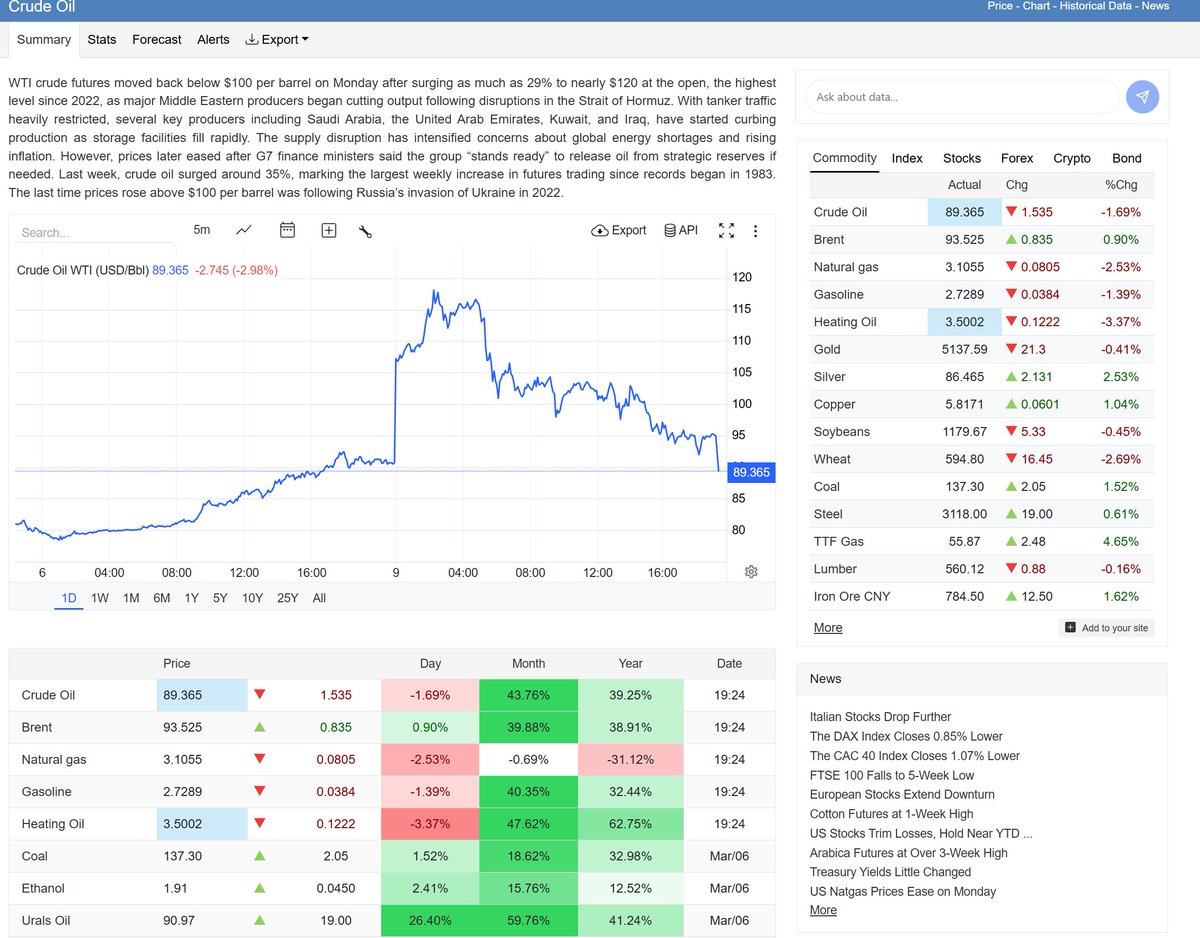
Trump's declaration that the war is "very complete, pretty much" sent immediate ripples through commodity markets. Oil plunged below $90 on the remarks, as traders recalibrated timelines for a conflict many expected to drag on for months. "JUST IN: Trump says progress on Iran is moving much faster than the initial 4–5 week timeline," Polymarket noted, capturing the market surprise. Russia simultaneously claimed it's made proposals to end the conflict "quickly," adding another diplomatic layer to what Trump described as already being "very far" ahead of schedule.
The Deterrence Paradox
For prediction market traders watching North Korea denuclearization odds, the Iran precedent cuts decisively against optimism. Pyongyang has long pointed to Libya's Gaddafi—who gave up nuclear ambitions only to be overthrown with Western backing—as proof that disarmament equals regime death. The swift decimation of Iran's conventional military capabilities reinforces this logic. North Korea will "continue to see nuclear weapons as a matter of survival," analysts told The Guardian, regardless of any summit diplomacy. The destroyer test wasn't just about naval capabilities—it was a signal that no amount of diplomatic engagement will convince Kim to trade his ultimate insurance policy.
What to Watch
If Trump and Kim do meet this month, watch for any movement on conventional arms limitations versus nuclear disarmament. Markets should price in near-zero probability of full denuclearization in the wake of Iran's conventional collapse. The more relevant question: will Kim use Iran as leverage to argue for formal recognition as a nuclear state in exchange for caps on production? North Korea's naval nuclear program suggests Pyongyang isn't planning to negotiate away its arsenal—it's planning to diversify it across land, sea, and air platforms. The Iran war may end quickly, but its strategic aftershocks will shape Northeast Asian security for years.