When Revenue Growth Becomes a Profit Problem
Dick's Sporting Goods just posted a 60% sales increase — and Wall Street isn't celebrating. The retailer's merger with Foot Locker has turbocharged top-line growth but triggered a substantial decline in companywide profits, according to its Q4 2025 earnings report. The company is forecasting full-year sales growth across both its core stores and the newly acquired Foot Locker locations, signaling confidence in consumer demand and early integration momentum. But the bottom line tells a different story: integration costs are eating into margins faster than the combined entity can generate efficiency gains.
The Off-Price Paradox
Dick's timing reflects a broader shift in consumer behavior toward value-driven shopping. Ross Stores just forecast same-store sales growth that topped analyst estimates, capitalizing on affordability pressures by selling luxury items for less. UBS analyst Michael Lasser, speaking at the firm's Global Consumer and Retail Conference, expressed bullish views on both Dick's and Foot Locker, betting that the combined footprint can capture market share in a crowded sporting goods landscape. Yet the integration headwinds suggest Dick's may have overpaid or underestimated the complexity of merging two distinct retail operations.
What Traders Should Watch
The question for prediction market participants: can Dick's sustain this growth story through year-end, or will margin pressure force a strategic pivot? The broader retail earnings picture is mixed. Ulta Beauty missed on earnings per share despite beating revenue expectations, while Saks Global is shuttering 15 more department stores in bankruptcy restructuring — a sign that traditional retail formats remain under existential pressure. Meanwhile, Adidas forecast higher profits and market share gains through 2028, proving that athletic brands with strong product momentum can defy the malaise.
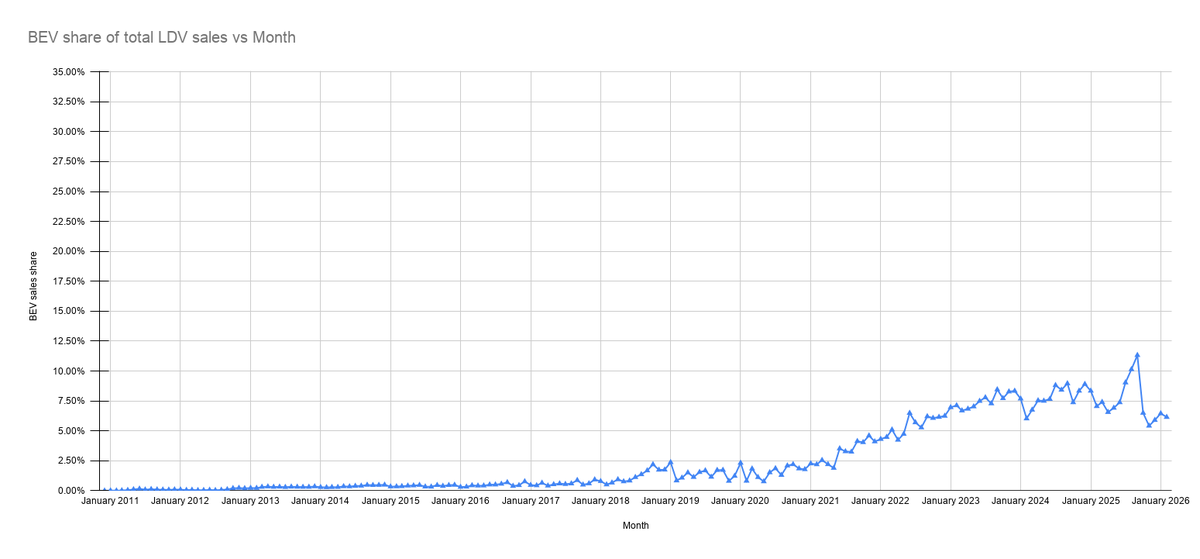
External shocks loom large. CNBC reports that the Iran war could soon disrupt U.S. retail prices through supply chain contagion, adding a wildcard to any consumer spending forecast. And as @JgaltTweets noted, "The sales share of fully-electric cars in the US declined to only 6.15% in February 2026" — another data point suggesting consumer discretionary spending is shifting toward value over aspiration. If Dick's can't convert its 60% revenue surge into margin expansion by mid-2026, the market's bullish thesis will crack. Watch for guidance revisions in the next two quarters.